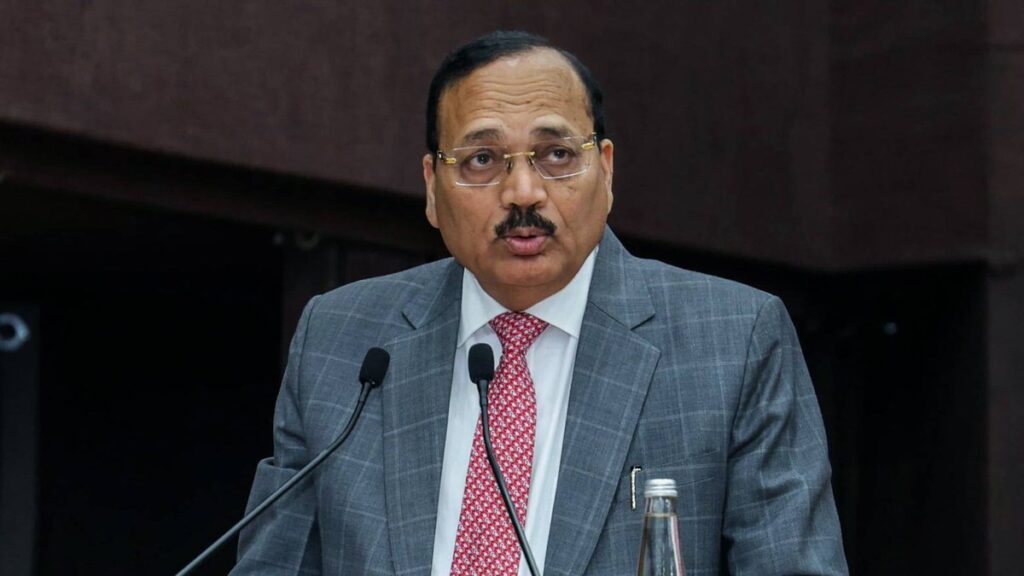
The Supreme Court of India on Wednesday declined a plea for an urgent hearing concerning police action against student protesters from the Cockroach Janta Party (CJP). These protests occurred at Jantar Mantar over allegations of a paper leak in the NEET-UG 2026 examination.
The case was presented before a Bench led by Chief Justice Surya Kant, where the petitioner’s counsel sought immediate attention to serious issues highlighted by the students. The Chief Justice, however, expressed dissatisfaction with the urgency of the request, stating, “Don’t waste our time, and don’t waste your time.”
The lawyer argued that the students protested over vital matters related to public interest, such as the NEET-UG 2026 paper leak, the conduct of the examination, and essential reforms within the National Testing Agency (NTA).
When the counsel sought to introduce videos allegedly depicting police violence during the protests, the Chief Justice responded, “We are not interested in videos; we don’t have time to watch.” This response underlined a clear resistance to engaging with the evidential aspects of the case during the hearing.
The Supreme Court’s decision follows a similar ruling by the Delhi High Court, which also refrained from addressing the matter with urgency. This sequence of judicial reluctance highlights the heightened pressures surrounding the NEET-UG examination system and student rights.
The CJP has been at the forefront of protests against the alleged NEET-UG 2026 paper leak. Their demands include the resignation of Union Education Minister Dharmendra Pradhan and comprehensive reforms in the examination system. Recently, protests escalated towards Parliament, where confrontations between protesters and police led to claims of excessive force and numerous detentions.
It is important to note that the Supreme Court’s remarks were strictly about the urgency of the hearing, and did not address the substance of the issues raised in the petition. This separation indicates an ongoing reluctance from higher judiciary bodies to engage directly with grievances stemming from student protests despite the growing unrest surrounding educational reforms.
With protests gaining traction, student groups continue to rally for systemic changes that they believe are essential for both transparency and fairness within the educational framework. Their determination emphasizes a critical juncture in Indian education policy that could require urgent judicial oversight in the future.