Srinagar Shivers as Temperature Drops to -2.1°C This Winter
Srinagar recorded its coldest night of the winter season, plummeting to -2.1°C. The weather is expected to remain chilly with frost formation across the Valley.
 Admin
Admin 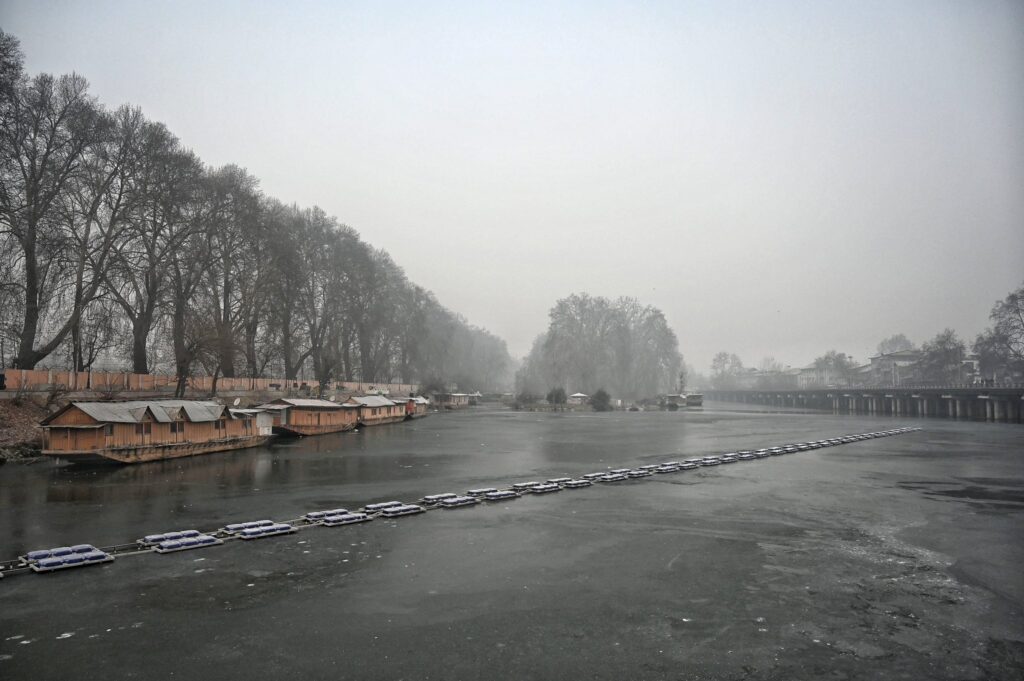
Srinagar, the summer capital of Jammu and Kashmir, shivered through its coldest night this winter as temperatures plummeted to minus 2.1°C, according to the Meteorological Department (MeT). This dramatic drop in temperature reflects the harsh winter conditions setting in, affecting daily life across the region.
The MeT data revealed that Pahalgam recorded the coldest temperature in the Kashmir Valley, settling at minus 3.8°C. The severe chill has prompted residents and local authorities to brace for the icy conditions ahead.
Director of the MeT, Dr. Mukhtar Ahmad, stated that there is no forecast for any wet spells in the coming week. He noted, “Night temperatures are expected to remain unchanged until November 17, with a slight improvement likely after this date.”
This chilling dip in temperature resonates deeply with the region’s inhabitants, as many parts of Srinagar and surrounding areas have seen significant frost formation during the early morning hours. This marks a clear indication of the onset of winter, impacting both daily routines and agriculture.
The relentless cold has disrupted routines, with people relying heavily on traditional heating methods to stay warm. Many residents have pulled out winter clothing and supplies to combat the harsh conditions. Families are gathering around traditional fires, sharing warmth and comfort amidst the cold.
Local businesses also feel the pinch of frigid weather, with warm beverage sales seeing a surge as residents seek ways to stave off the cold. Tea stalls and restaurants are bustling with patrons throughout the day, eager to enjoy hot drinks.
As winter progresses, authorities are monitoring the situation closely to offer necessary support to vulnerable populations. Regions experiencing extreme cold often see an uptick in respiratory illnesses, prompting health officials to encourage residents to take precautions.
This winter is particularly significant as it follows a milder season last year. Experts suggest that fluctuating weather patterns may impact agricultural output, especially for crops sensitive to frost. Farmers are advised to implement protective measures to safeguard against potential frost damage.
While winter brings beauty to the Kashmir Valley, with snow-capped peaks painting a picturesque landscape, it also poses challenges. Residents must adapt to the cold, ensuring that they are prepared for the weeks ahead as temperatures are expected to fluctuate.
The landscape in Srinagar presents a remarkable scene, where fog mingles with the snowfall, creating a dreamy yet treacherous environment. Visitors and tourists flock to the region to witness its beauty, providing a much-needed boost to the local economy during the winter months.
This winter outlook invites interest not only from locals but also from tourists eager to explore the unique culture and breathtaking scenery of the Kashmir Valley. As winter settles in, all eyes remain on how the local communities will navigate the cold and its challenges.